
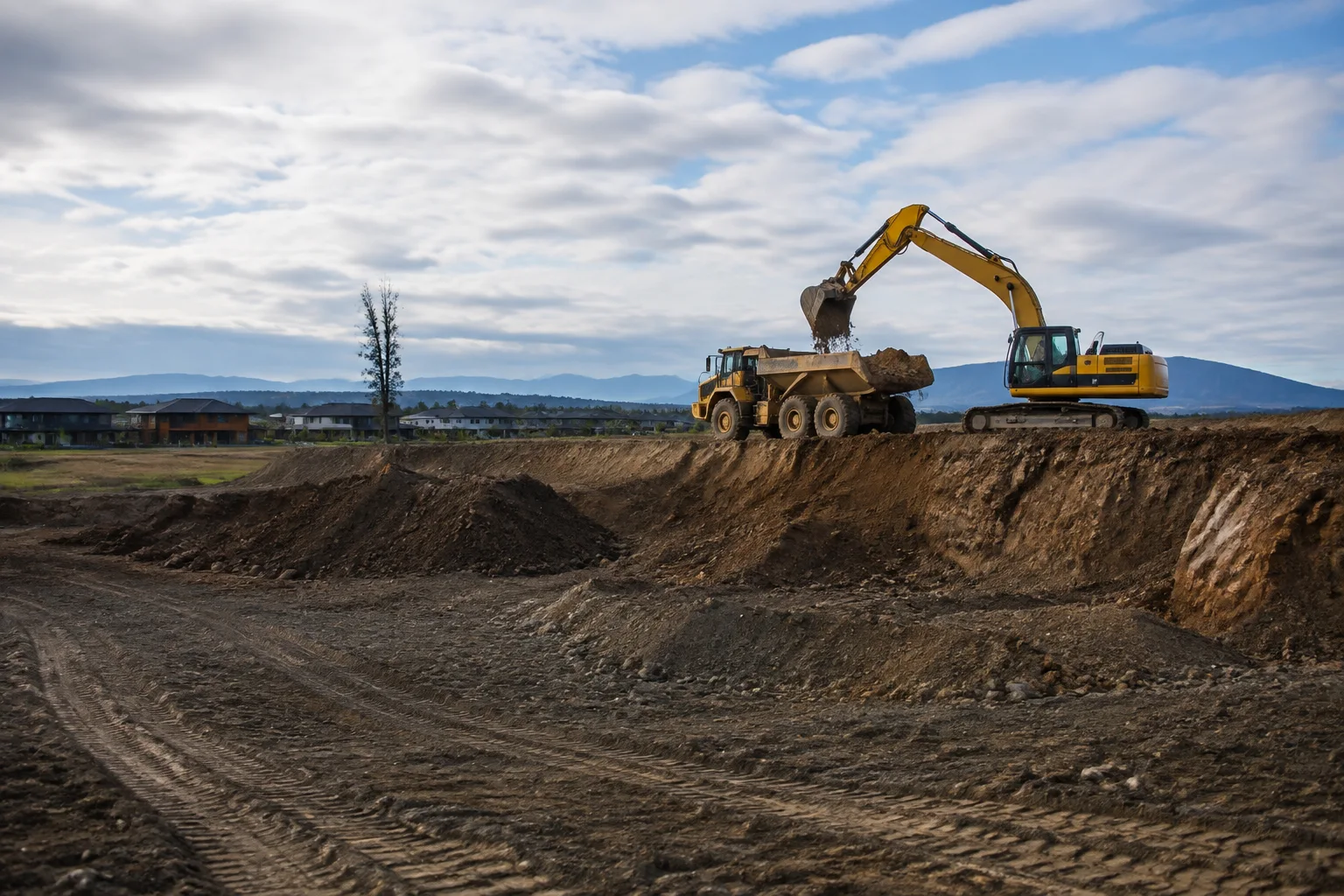
Bulk Earthworks And Site Cut-to-Fill
Cutting, filling and re-shaping land to bring a site to the levels your build or subdivision design calls for.
View serviceSite Preparation & Bulk Earthworks
Clearing vegetation, scrub, topsoil and surface debris so a section is ready for design, survey or earthworks to begin.
03 661 7200Your site. A clear next step.
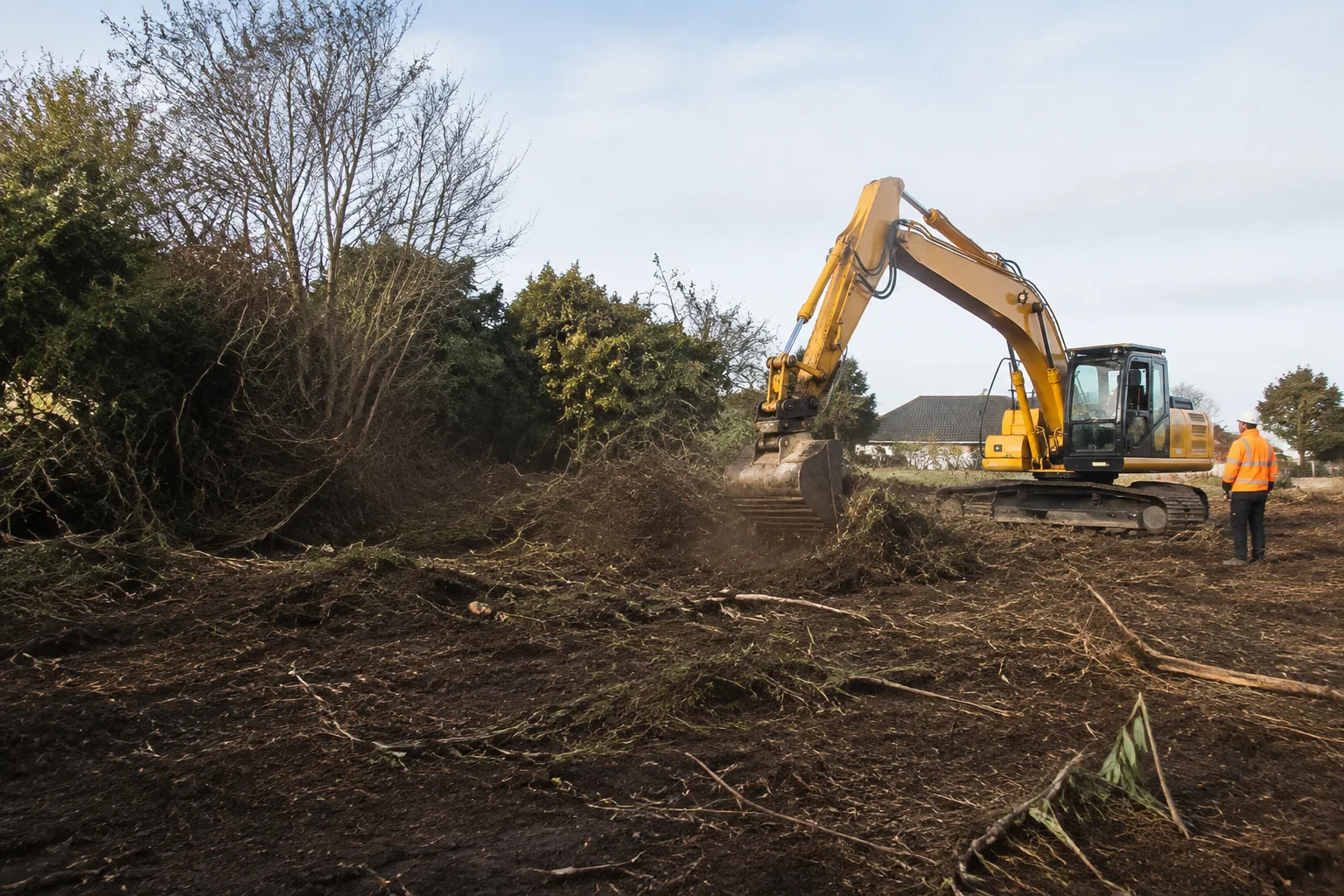
Christchurch section clearing is the first step toward a successful build, and doing it properly saves time and money later. Christchurch Earthworks clears residential sections of vegetation, old structures, debris, and unwanted material, leaving a clean and safe site ready for design and construction. Our operators use the right-sized machinery to suit your section, whether it’s a tight inner-city lot or a large block on the city’s edge. We manage waste removal responsibly and keep disruption to neighbours to a minimum. Every job is carried out with attention to boundaries, services, and site safety. If you’re preparing to build, subdivide, or simply tidy up an overgrown property, we make it simple. Call us today for a Christchurch section clearing quote.
Tell us what you want to achieve, where your site is and when you would like to start. Include any plans, access constraints or measurements that will help us understand the work.
Recognise your project
Define the work
Grass, scrub, gorse and low growth are cleared from the agreed work area so the ground beneath can be seen and worked. A clear surface also lets us assess soil conditions before the next stage begins.
Small trees, hedges and root balls within the agreed scope are removed rather than cut off at ground level. Roots left in place rot down and create soft spots under whatever is built above them.
Existing topsoil is stripped and stockpiled in an agreed spot so it can be respread later. Kept separate from subsoil and debris, it stays useful; mixed in, it becomes cartage you pay to remove.
Surface debris, old fencing, rubbish and other obstructions are cleared out of the work area. Removing them now avoids machinery working around obstacles and avoids surprises once excavation starts.
Green waste and cleared material is loaded out and carted away to an appropriate facility. We agree what leaves and what stays before clearing starts, since cartage is usually the larger part of the cost.
The cleared area is levelled off roughly so it is workable and safe for the survey, design or earthworks stage that follows. This is a tidy working surface rather than a finished level.
Where the section slopes or sits near a waterway, silt fencing and stabilised access go in before ground is exposed. Bare soil moves in Canterbury rain, and councils have rules about where it ends up.
Why work with us
Existing topsoil is stripped and stockpiled separately so it can be respread later. Mixed into debris it becomes cartage you pay to remove and soil you then pay to import.
Trees, hedges and root balls in scope are removed rather than mown over. Roots left behind rot down and create soft spots beneath whatever gets built above them.
We walk the section with you and agree exactly what goes and what stays. Clearing is quick and irreversible, so the conversation happens first rather than afterwards.
On most clearing jobs removing material costs more than clearing it. We tell you that up front and look at what can stay on site to keep the load count down.
Where a section slopes or sits near a waterway, controls go in before ground is exposed. Bare Canterbury soil moves in rain, and councils have rules about where it ends up.
The cleared area is levelled off so a surveyor, designer or excavation crew can work on it immediately. A cleared but unusable site just moves the problem along.
Working conditions
The right machine depends on how dense the vegetation is, whether trees or stumps need removing, and how the site will be accessed. A light section clear and a scrub-choked block call for quite different approaches, and we scope this during the site visit.
Clearing work generates noise and dust similar to other earthmoving, plus truck movements for green waste cartage. Duration depends on the density of vegetation and section size — a straightforward suburban section clears faster than an overgrown rural block. We coordinate timing with your surveyor or designer where their sightlines depend on the clearance.
Get the detail right
Clearing looks straightforward but stripping topsoil incorrectly, damaging boundary features, or disturbing protected trees can create problems for later stages of the build or with council. Correct handling of topsoil also saves money later, since good topsoil is worth keeping rather than carting away and buying back in.
Where there's room, we stockpile it on-site so it can be reused for landscaping once construction is finished. If space is tight or the topsoil isn't suitable to keep, we'll discuss carting it away instead.
Small trees and hedges within the work area are usually straightforward. Larger or protected trees may need council or arborist input first, which we'll flag if we spot it during the site visit.
It depends on the vegetation, its size, and whether the property is subject to any protection rules under the district plan. We're happy to point out anything that looks like it needs checking, but consent matters sit with your planner or council.
We work carefully around known survey marks and boundary features. If pegs aren't visible or the site hasn't been surveyed recently, it's worth confirming their location before clearing starts.
Cleared vegetation is loaded out and carted to an appropriate facility. Volumes vary a lot by site, so cartage is scoped once we've seen how much material is involved.
The next part of your project
Cutting, filling and re-shaping land to bring a site to the levels your build or subdivision design calls for.
View service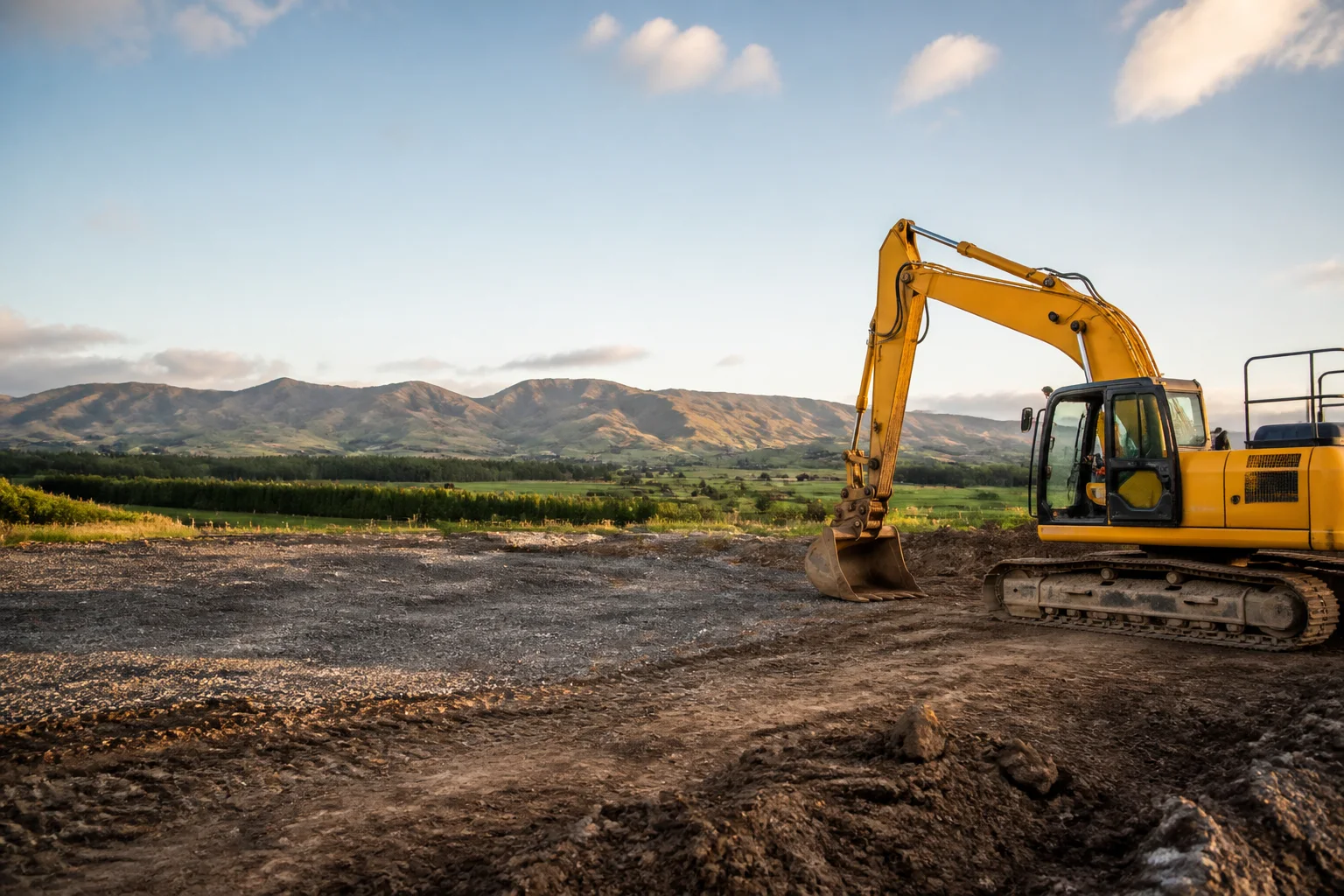
Clearing larger and staged sites across Canterbury, from mixed vegetation and old hardstand through to stockpile management and sediment control on a live programme.
View service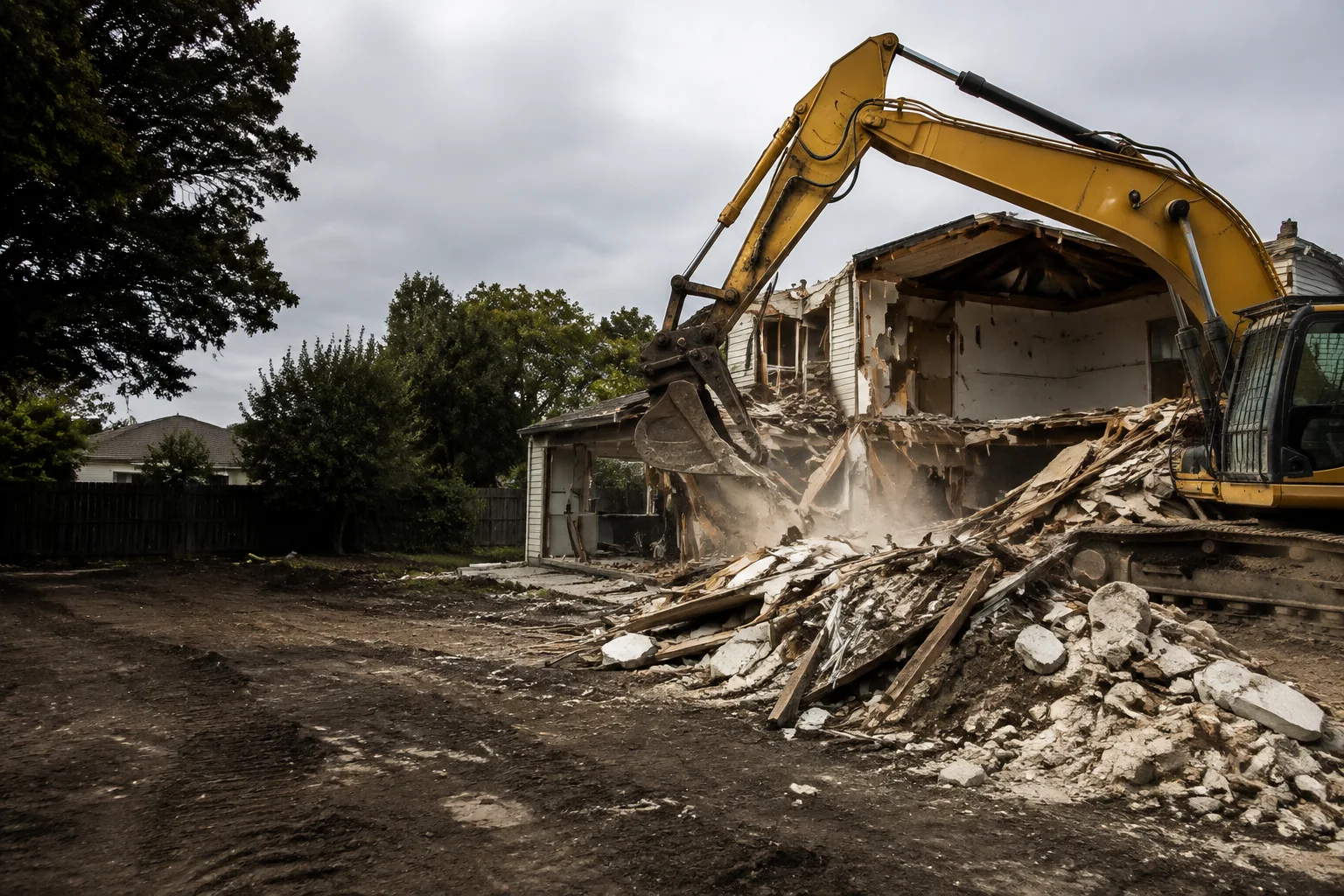
Demolishing houses, garages, sheds and concrete structures across Christchurch, then removing the resulting material so the site is safe and ready for what comes next.
View service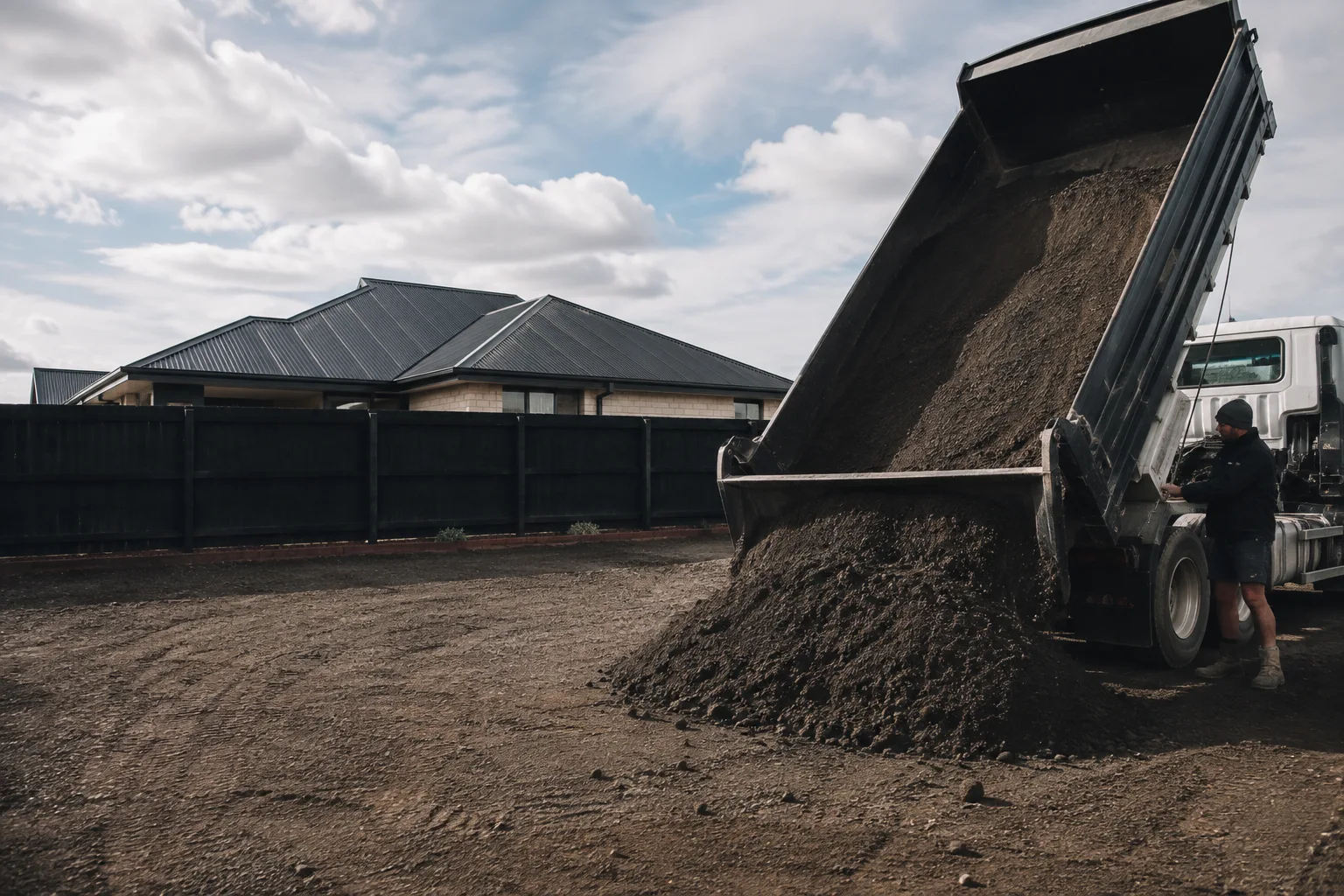
Topsoil supplied, delivered and spread ready for lawns, gardens or landscaping across Canterbury properties.
View serviceTell us about your project and we will come back with clear next steps — no pressure, no jargon.
YOUR SITE. THE NEXT CHAPTER.
Start with your suburb, a few site details and what you want to build.
Plan your project