
Bulk Earthworks & Site Cut-to-Fill
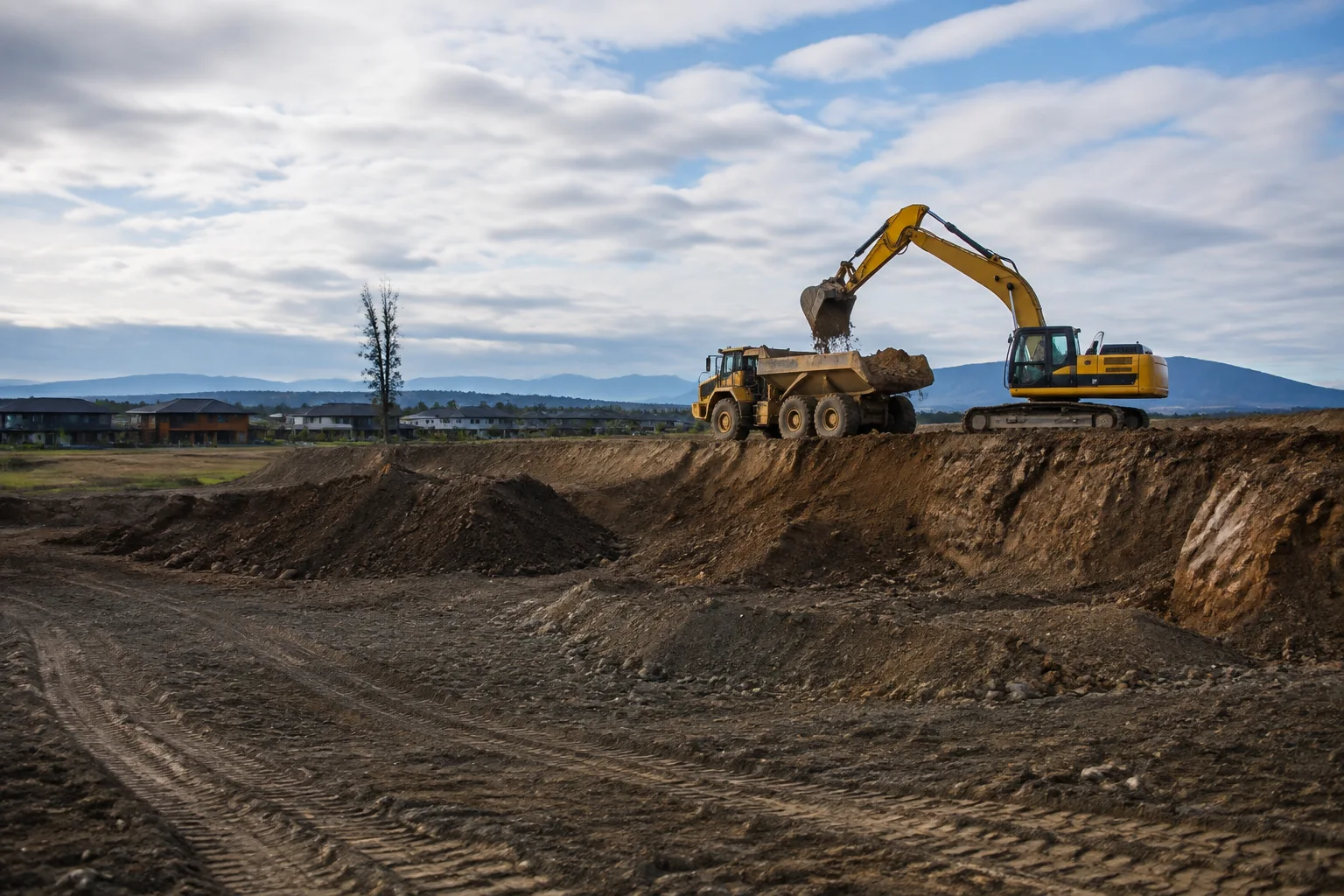
Cutting, filling and re-shaping land to bring a site to the levels your build or subdivision design calls for.
View serviceGetting started
A practical look at how small-structure demolition and section clearance actually unfolds, from hazardous-material checks through to final waste disposal.
03 661 7200Your site. A clear next step.
Christchurch Demolition and Site Clearance: What to Expect takes a practical look at how small-structure demolition and section clearance actually unfolds, from hazardous-material checks through to final waste disposal.
Tell us what you want to achieve, where your site is and when you would like to start. Include any plans, access constraints or measurements that will help us understand the work.
Getting started
Updated 2026-09-06
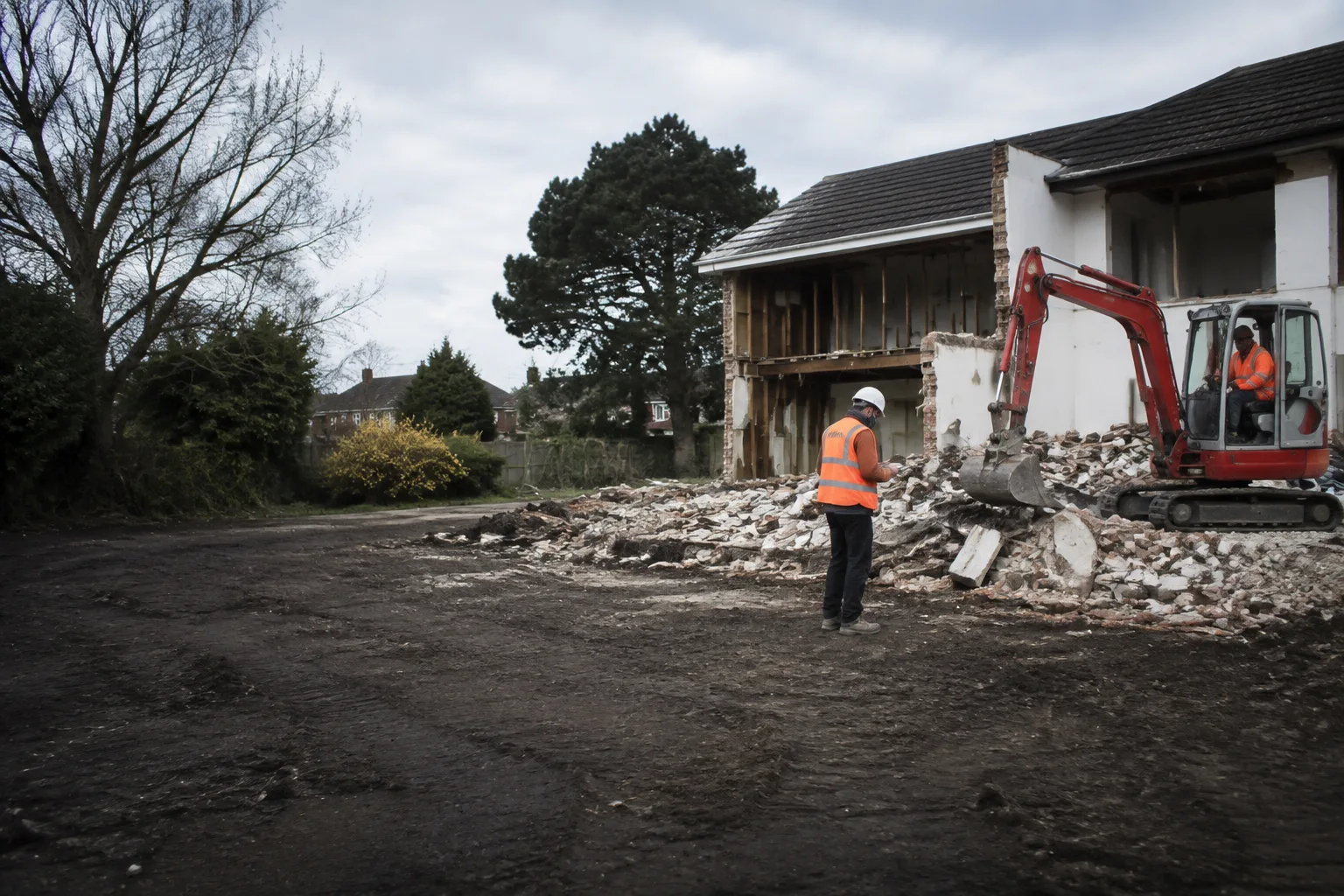
In a residential and rural context, demolition and site clearance usually means removing sheds, garages, old houses, decks, fences, in-ground pools, concrete slabs, paths and driveways, along with clearing scrub, hedges and general rubbish from a section ahead of a build, renovation or subdivision stage. It sits apart from large commercial or industrial demolition, which brings its own engineering and traffic-management requirements. For most residential jobs, clearance is really the first physical step towards a clean, level section ready for building platform preparation or bulk earthworks.
Getting this stage right matters because whatever is missed, left buried or poorly sorted tends to resurface as a cost or delay later in the build, so it pays to treat clearance as a proper stage of the project rather than an afterthought before the diggers arrive for the main earthworks. On lifestyle and rural blocks, clearance can also extend to old implement sheds, redundant fence lines, unused concrete pads and overgrown shelter belts, all of which need the same careful sequencing as a residential job even though the setting looks quite different.
Getting started
Before any wall, roof, floor or lining is disturbed, older structures need to be checked for asbestos-containing materials, which were common in cladding, roofing, textured ceilings, vinyl flooring and pipe lagging in buildings constructed before the early 2000s. Other hazards can include old fuel tanks, contaminated soil, or lead-based paint. This checking and, where anything is confirmed, its removal is specialist work that requires an appropriately qualified assessor and, for asbestos, a suitably licensed removalist under WorkSafe NZ requirements.
Christchurch Earthworks does not test for, handle or remove asbestos or other hazardous material ourselves. General demolition and clearance work only proceeds once that specialist assessment and, if needed, removal has been completed and signed off, so it is worth building this step into your budget and timeline from the outset rather than assuming it can be skipped. Older rural sheds and water tanks are a common surprise here too, since fibrous cement products and agrichemical residue can turn up in outbuildings that look perfectly ordinary from the outside, which is another reason a proper assessment before demolition is worth the short delay it adds.
Power, gas, water, wastewater and telecommunications connections all need to be safely disconnected or capped before a structure is demolished, and this is generally arranged through the relevant utility provider or a licensed electrician or plumber ahead of the physical works. Underground services also need to be identified before any digging starts, which is where a beforeUdig enquiry earns its place early in planning, giving utility owners the chance to mark or advise on what runs through the section. WorkSafe NZ's guidance on working near underground and overhead utilities is a useful reference here, since striking a live service is one of the more common and preventable causes of harm and cost overrun on a clearance job.
Utility providers can take one to two weeks to action a disconnection or meter removal request, so it is worth lodging these early rather than assuming a same-week turnaround once a demolition date is set.
Getting started
Depending on the size, age and location of the structure, demolition can require a building consent or at least notification to your local council, and heritage-listed buildings or sites on a contaminated land register carry extra requirements. Christchurch City Council, Selwyn District Council and Waimakariri District Council each publish guidance on when demolition consent is needed and what information they expect with an application, including proximity to boundaries and neighbouring buildings. It is worth checking with the relevant council early, ideally before you commit to a start date, because consent processing time can shape the whole project timeline more than the physical demolition work itself.
Where a structure sits close to a boundary or its exact position is uncertain, a quick check of the property's record of title against LINZ boundary information can also save an awkward conversation with a neighbour part-way through the job.
When a structure comes down close to a boundary, retained trees, an existing fence or a neighbouring building need protecting before work starts, and it is often worth talking to neighbours ahead of time so nobody is caught off guard by noise, dust or a short-term change to shared access. Anything meant to stay, a shared fence line, a retained shed, or landscaping you want kept, should be clearly marked out for the crew before demolition begins, since removing the wrong structure or damaging something meant to remain is far harder to put right than to prevent in the first place. Dust suppression on a dry, windy Canterbury day, and keeping noise within reasonable hours, also matter for maintaining a good relationship with neighbours through what can otherwise be a disruptive few days on a residential street.
A few photographs of the pre-existing condition of a shared fence, driveway or retaining wall before work begins is a simple habit that can save a disagreement later about whether any damage was already there.
Getting started
A tidy clearance job separates materials as it goes rather than sending everything to landfill in one mixed load. Concrete and rubble can often be crushed and reused as hardfill or aggregate, timber and metal are typically recycled separately, and green waste from vegetation clearing usually goes to a composting facility rather than general waste. Sorting on site takes a bit more organisation and space than a single skip, but it usually reduces the volume that needs cartage and disposal, and keeps recyclable material out of landfill.
The practical sequence is generally demolition, on-site sorting into separate piles or bins, then cartage away in batches by material type. It is also worth a quick look through a structure before it comes down for anything salvageable, doors, fittings or timber in good condition, since these are sometimes worth setting aside for reuse rather than automatically going into the general pile, and disposal facilities can have their own acceptance criteria worth checking ahead of a large load.
A typical sequence runs: site visit and quote, hazardous-material assessment (which can take anywhere from a couple of days to a few weeks if laboratory samples are needed), any required consent or notification, service disconnection lead times set by utility providers, then the physical demolition and clearance itself. For an average residential structure the physical demolition and clearance is often a matter of a few days, but sorting, cartage and final site grading can add further time depending on volume and access. Because several of these steps depend on third parties such as utility companies, councils and specialist assessors, it is realistic to build some buffer into your overall project timeline rather than assuming demolition will run back-to-back with earthworks.
The very last step is usually a rough grade of the cleared section, sometimes with topsoil respread over disturbed ground, so the site is left tidy and ready for whatever comes next, whether that is landscaping, a new build, or bulk earthworks for a subdivision stage.
Keep these points in mind
Suspected asbestos or other hazardous material must be assessed and, if confirmed, removed by qualified specialists before general demolition proceeds.
Power, gas, water and telecommunications need proper disconnection, and underground services should be identified through beforeUdig ahead of digging.
Many demolitions require council consent or notification, so check requirements with your local council before setting a start date.
Sorting concrete, timber, metal and green waste separately reduces landfill volume and can bring materials back into use as fill or aggregate.
Build buffer time into your schedule for hazardous-material assessment, consents and utility disconnection lead times, not just the physical demolition.
Put the guide into practice
Cutting, filling and re-shaping land to bring a site to the levels your build or subdivision design calls for.
View service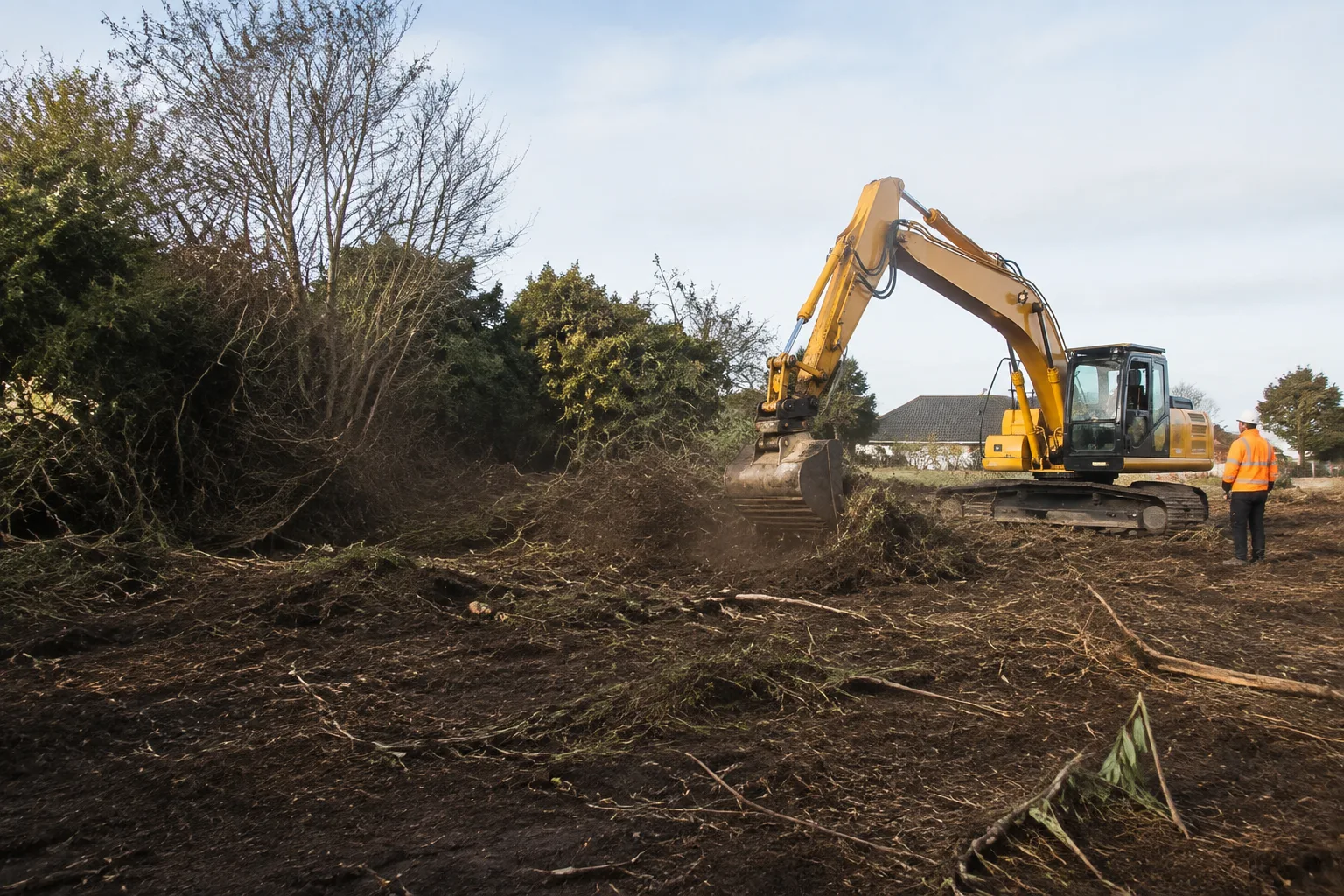
Clearing vegetation, scrub, topsoil and surface debris so a section is ready for design, survey or earthworks to begin.
View service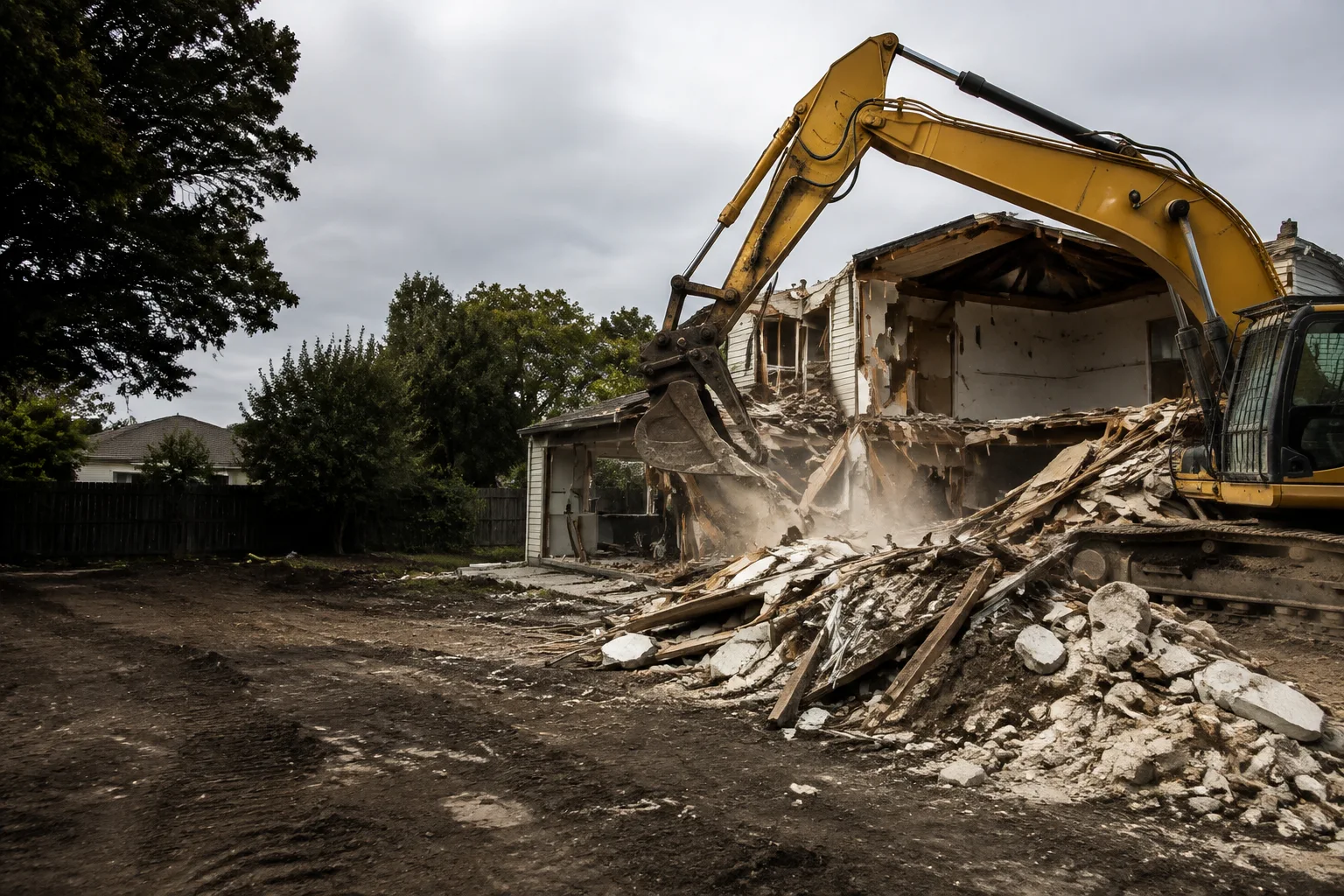
Demolishing structures and clearing the resulting debris so a site is safe and ready for the next stage of earthworks or building.
View service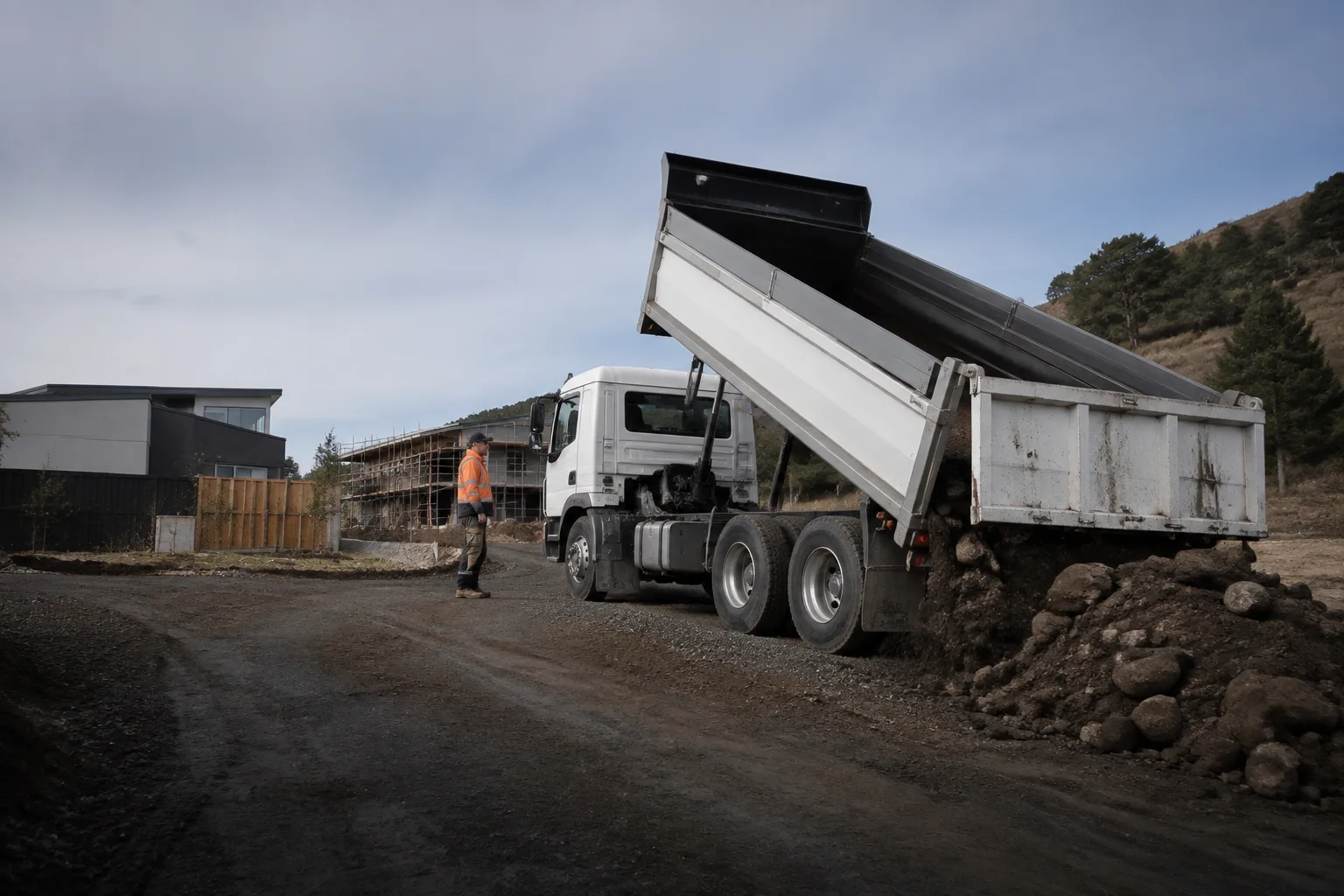
Driver-operated tip truck cartage for spoil removal and material delivery, coordinated with your excavation or landscaping work.
View serviceTell us about your project and we will come back with clear next steps — no pressure, no jargon.
YOUR SITE. THE NEXT CHAPTER.
Start with your suburb, a few site details and what you want to build.
Plan your project